
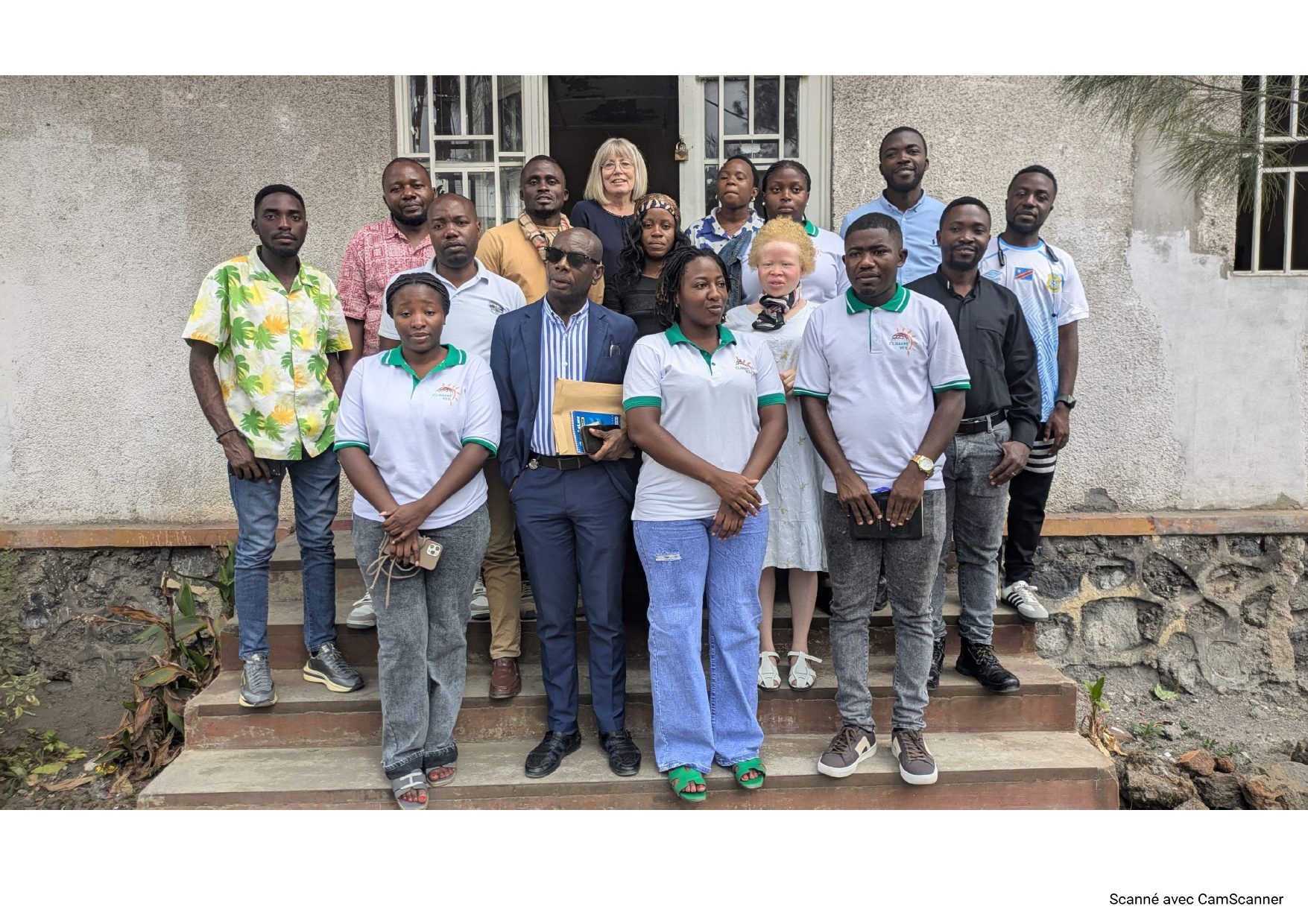
On July 27, 2026, Climate YES DRC gathered fifteen youth leaders on July 27, 2026, at the SKV Center in Goma, DRC, for an intensive practical workshop on upcycling plastic waste into art and functional items. Grounded in this biblical call to stewardship, the gathering sought to address one of Goma’s most pressing environmental challenges through creative, community-led action.
“The Lord God took the man and put him in the Garden of Eden to work it and take care of it.”
— Genesis 2:15
The Crisis in Lake Kivu
Plastic pollution poses an escalating threat to Lake Kivu, the primary source of water for the city of Goma. Due to limited government investment in public water infrastructure, plastic waste and discarded black sachets clogging the lake have severely degraded water quality. As a direct result, local residents frequently suffer from waterborne diseases such as cholera, diarrhoea, and typhoid. To tackle this crisis at the grassroots level, Climate YES DRC organized this training to reduce plastic waste before it reaches the water.
Hands-On Training and Upcycling
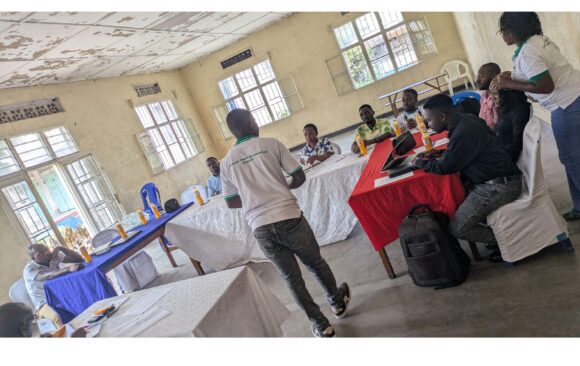
The workshop was facilitated by two specialists: an Australian craft trainer—whose husband serves as a CMS missionary attached to the Anglican Diocese of Goma—and a representative from Mazingira Bora, a local youth-led environmental group. Together, they trained the youth leaders to convert discarded plastic into valuable household goods and artistic creations:
- Household & Utility Goods: Floor mats, table runners, egg carriers, and decorative wreaths.
- Upcycled Glassware: Custom drinking glasses created from discarded glass bottles.
- Fashion & Accessories: Handcrafted earrings, headbands, and necklaces.
Alongside crafting techniques, the facilitators urged participants to advocate for replacing single-use plastic bags and black sachets with eco-friendly paper packaging throughout Goma. Reflecting on the energy of the session, participant Mama Jenny remarked:

“There are so many ideas. I’m happy to be in contact with you, the youth who want to make a change.”
Taking Personal Responsibility
Recognizing that community change begins with individual actions, each participant committed to making specific lifestyle changes:
- Bringing personal baskets to the market when purchasing vegetables.
- Saying no to single-use plastic bags offered by vendors.
- Using durable cloth bags instead of plastic packaging.
- Carrying reusable water bottles rather than purchasing single-use plastic bottles.
- Filtering drinking water at home to eliminate reliance on bottled water.
Next Steps
The fifteen trained leaders plan to reconvene in one month to put their skills into practice, produce additional upcycled crafts for personal use and sale, and continue training others. Moving forward, the team remains committed to inspiring positive community change through proper waste management and tree planting initiatives for climate change mitigation.
Leave a Reply